Introduction to “The Winner Takes It All” in Mamma Mia! (2008)
“The Winner Takes It All” is one of the most iconic songs featured in the 2008 musical film “Mamma Mia!”, a movie adaptation of the beloved stage musical based on the songs of ABBA. Sung by Meryl Streep, who plays Donna Sheridan, this song represents a climactic moment in both narrative and emotion. Originally written by Benny Andersson and Björn Ulvaeus for ABBA’s 1980 album “Super Trouper”, the song’s presence in “Mamma Mia!” takes on new layers through Streep’s powerful acting and vocal performance.
The Context of the Song within Mamma Mia!
Set against the backdrop of a picturesque Greek island, “Mamma Mia!” follows Donna as she prepares for her daughter Sophie’s wedding. The story gains complexity when Sophie secretly invites three men from Donna’s past, hoping to discover her father’s identity. As emotions escalate, Donna confronts her own romantic history, particularly with Sam Carmichael, played by Pierce Brosnan. It is during this crucial turning point that “The Winner Takes It All” is performed.
Meryl Streep’s Performance: Emotion and Authenticity
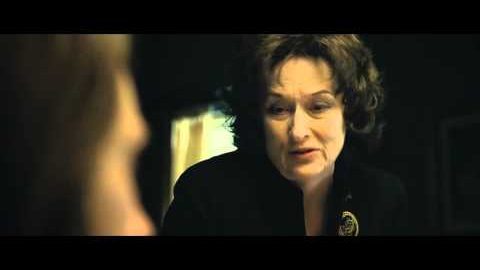
Meryl Streep’s interpretation of “The Winner Takes It All” is notable for its raw vulnerability and dramatic intensity. Unlike previous iterations of the song, Streep’s rendition is shaped not only by her singing but also by her ability to convey deep emotion through subtle facial expressions and movement. The scene takes place on a scenic cliff overlooking the sea, visually amplifying Donna’s feelings of isolation and heartbreak.
Streep delivers each lyric with palpable pain, regret, and longing. Her voice may not have traditional pop star polish but gains authenticity from its imperfections—cracks and tremors that mirror Donna’s inner turmoil. The director, Phyllida Lloyd, wisely chooses to capture much of Streep’s performance in close-up shots, allowing viewers to experience every nuance.
Songwriting Excellence: Lyrics that Resonate
“The Winner Takes It All” stands out among ABBA’s vast catalog due to its mature themes and poetic lyrics exploring loss after love has run its course. Through lines like “The gods may throw a dice / Their minds as cold as ice,” listeners are reminded that fate often dictates outcomes beyond anyone’s control. In the context of “Mamma Mia!”, these words take on extra poignancy as Donna addresses Sam directly about their fractured past.
The lyrics oscillate between pride and resignation—Donna recognizes she cannot change what happened but still feels deeply wounded by it. This duality enriches the character development for both Donna and Sam while moving the plot towards resolution.
Cinematic Interpretation: Visual Storytelling Enhancing Music
Phyllida Lloyd employs sweeping camera movements along cliffsides that mirror emotional highs and lows within the song itself. The visuals serve as metaphors—the cliff edge symbolizing risk-taking in love—and juxtapose natural beauty with personal pain. Costuming further helps delineate mood; dressed simply in blue against white stonework, Donna appears exposed yet dignified.
This attention to cinematic detail elevates “The Winner Takes It All” from mere musical number to storytelling centerpiece. The viewer not only hears about heartbreak but inhabits it alongside Streep’s character through every visual cue.
The Song’s Role in Character Development
By giving Donna this solo moment at a narrative crossroads, screenwriters allow her depth far beyond comedic or motherly tropes present earlier in the film. Singing directly to Sam forces both characters—and viewers—to confront unresolved feelings head-on without artifice or distraction.
Donna emerges empowered rather than defeated once she finishes singing; she has articulated pain but also accepted it as part of her story. This transformation anchors subsequent scenes between mother and daughter as well as lovers reuniting or parting ways.
Musical Arrangement: Adapting ABBA for Cinema
While remaining faithful to ABBA’s original arrangement—a signature blend of piano-driven melody and swelling orchestration—the film version introduces subtle changes suited for cinematic storytelling. Instrumentation starts sparse before building gradually alongside Donna’s emotional intensity, drawing audience focus squarely onto performance before reaching cathartic crescendo near the end.
Choral backing is kept minimal here compared with other ensemble numbers in “Mamma Mia!”, reinforcing an intimate atmosphere rather than spectacle—another choice emphasizing personal stakes over group euphoria commonly found elsewhere in jukebox musicals.
Reception: Critical Acclaim and Audience Impact
Upon release, Meryl Streep received widespread praise for both her acting commitment and vocal delivery during “The Winner Takes It All.” Critics highlighted how she elevated material often dismissed as light entertainment into something genuinely affecting; audiences responded similarly with many citing this scene among their favorite moments from either film or stage versions of “Mamma Mia!”
ABBA fans appreciated how reverently filmmakers treated one of their most revered ballads while newcomers discovered its emotional power through fresh context provided onscreen.
Legacy: Why This Tune Endures in Pop Culture Memory
Since 2008, “The Winner Takes It All” has become synonymous with “Mamma Mia!” thanks largely to Meryl Streep’s tour-de-force performance which continues resonating across generations whether revisited at home or experienced live during encore screenings.
Its enduring legacy stems from universal themes—unrequited love,
acceptance,
and moving forward—which ring true regardless genre allegiance.
For many,
this pivotal scene encapsulates everything successful about marrying classic pop songwriting with new storytelling forms.
It demonstrates how music can articulate what words alone cannot,
bridging gaps between characters,
eras,
and audiences worldwide.
Thus,
the impact of “The Winner Takes It All” remains undiminished within both cinematic history
and personal memory—a testament to artistry behind tune
and talent breathing life into it anew.