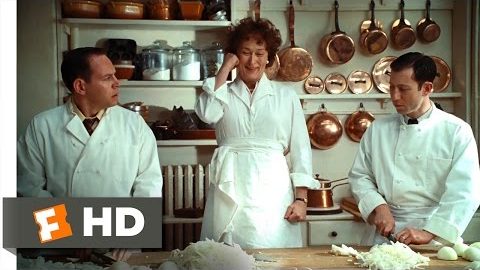
Introduction to Julie & Julia and Its Iconic Scenes
Released in 2009, Julie & Julia stands out as a film that bridges two distinct eras through the shared passion for cooking. Directed by Nora Ephron, the movie stars Meryl Streep as Julia Child and Amy Adams as Julie Powell. The narrative weaves together Julia’s journey in postwar France discovering her culinary calling and Julie’s modern-day attempt to cook every recipe from Child’s famous cookbook. Among the many memorable moments in this film, the scene affectionately known as “The Butter to My Bread” holds a special significance for audiences.
The Emotional Core of The Butter to My Bread Scene
The “Butter to My Bread” scene occurs at a point in the film that highlights not only Julia Child’s exuberance but also her relationship with her husband, Paul Child, played by Stanley Tucci. Their partnership serves as an emotional anchor throughout the movie. In this particular moment, viewers witness a quiet celebration of their enduring love and mutual support. Rather than grand declarations or dramatic gestures, what makes this scene resonate is its simplicity and authenticity.
Setting and Contextual Significance
Set within the cozy confines of their Parisian apartment, the scene unfolds during an intimate dinner between Julia and Paul. Food fills not just their plates but also their conversation, serving both as literal sustenance and a metaphorical thread binding them together. At this point in the story, Julia is grappling with feelings of uncertainty about her future prospects in France. Paul’s encouragement becomes crucial, offering reassurance when she doubts herself.
Dialogue That Defines Affection
The key moment arrives when Paul looks at Julia with sincere admiration and utters words that liken her importance to him as butter is to bread. This analogy carries weight because butter is central not only to French cuisine but also to Julia’s personal culinary philosophy. The comparison becomes a declaration that is understated yet deeply meaningful; it bypasses flowery language for something rooted in everyday experience—a testament to both their bond and their approach to life.
Subtle Performances Enhance Connection
Meryl Streep’s portrayal infuses warmth into every gesture during this exchange. She expresses joy tinged with vulnerability; her slight hesitations reveal just how much Paul’s opinion means to her character. Stanley Tucci matches this sincerity with gentle humor and unwavering support in his delivery. Their chemistry on screen is palpable but never overstated—allowing viewers to believe in a marriage built on mutual respect rather than cinematic artifice.
Symbolism of Butter and Bread
Butter represents more than an ingredient; it symbolizes comfort, richness, and tradition—qualities that define both Julia’s career and her marriage. By comparing themselves to butter and bread, Paul encapsulates how they complement each other perfectly: individually wonderful but best together. This metaphor resonates because it reflects real-world relationships where strength often lies in small acts of kindness rather than grand romantic gestures.
Cinematic Techniques Used To Convey Intimacy
Director Nora Ephron employs tight close-ups throughout this scene which foster intimacy between characters while inviting viewers into their world. The use of soft lighting creates warmth reflective of both mood and setting. Subtle cues such as lingering eye contact or shared laughter reinforce themes of partnership without imposing sentimentality upon the audience.
Contrast With Julie Powell’s Storyline
Juxtaposed against Julie Powell’s modern struggles—with career frustrations spilling over into marital tension—the “Butter to My Bread” scene offers a portrait of mature love weathered by time but undiminished by routine or hardship. Where Julie seeks inspiration from Julia Child’s published works, audiences watching are reminded that behind every public success lies private support systems like Paul’s unwavering belief in Julia.
Cultural Impact on Audiences And Culinary Enthusiasts
After its release, many viewers cited this scene as emblematic of how food can act as shorthand for emotion within relationships—something universally relatable regardless of cultural background or cooking ability. For culinary enthusiasts especially, these moments validate personal experiences where sharing meals deepens bonds between friends or partners.
Lasting Legacy Of The Scene In Popular Culture
This particular exchange has endured beyond initial screenings thanks partly to its quotable nature but more so due to its grounding in genuine affection rather than melodrama or cliché romance tropes common within Hollywood storytelling about couples enduring adversity together.
The Role Of Food As Relationship Language In Film
Julie & Julia frequently underscores how food operates as communication among loved ones—a theme crystallized by “Butter To My Bread.” Cooking here transcends technical skill; it becomes an act charged with meaning whether through preparing elaborate French dishes or simply expressing appreciation via metaphors drawn from shared experiences at the table.
Conclusion: Why The Scene Endures
Ultimately, “The Butter To My Bread” stands out not for spectacle but for sincerity—a rare quality achieved through skilled acting, thoughtful direction, and dialogue that captures universal truths about companionship both inside kitchens and outside them alike. Its continued resonance proves that sometimes quiet declarations spoken over dinner can carry more weight than any lavish proclamation ever could—making it one of Julie & Julia’s most cherished cinematic moments.